BLD Forge Direct

Anchor Flanges RFQ Support

Anchor flange RFQs are reviewed by drawing, pipeline specification, material, bore, thickness, machining and inspection requirements.

Engineering Snapshot

This is the quick technical view a buyer, EPC engineer or distributor needs before deciding whether this is the right product page.

Anchor Flanges Supply Scope

Anchor flange RFQs are reviewed by drawing, pipeline specification, material, bore, thickness, machining and inspection requirements.

  • Pipeline anchor flange and custom anchor forging review
  • Drawing-based machining and tolerance support
  • Material and NDT requirements checked before quotation
Product familyFlanges
Typical scopePipeline anchor flange and custom anchor forging review; Drawing-based machining and tolerance support; Material and NDT requirements checked before quotation
Standards / drawingsProject drawing or purchase specification; ASME B16.5 where flange dimensions follow ASME classes; EN 1092-1 / DIN where PN and DN requirements are specified; GOST 33259, 12820 or 12821 where CIS project requirements apply; ASTM, EN or project material standards as listed in the RFQ
Material reviewASTM A105 carbon steel; ASTM A350 LF2 low-temperature carbon steel; Stainless steel grades such as 304, 316, 321 or 347; Duplex and super duplex grades when specified by the project; Alloy steel or drawing-specified grades subject to feasibility review
Critical RFQ variablesSize, DN or NPS; Pressure class or PN rating; Drawing revision and critical dimensions; Facing, bore, bolt pattern and machining tolerance; Quantity, destination country and packing requirement
Inspection documentsMTC EN 10204 3.1; Heat treatment record; Dimensional report; PMI when alloy verification is required; UT, MT or PT when specified; Tensile, impact or hardness test records when required

Product Visual Match and Buying Logic

This section is written for buyers checking whether the picture, product name and quotation scope match the same forged part.

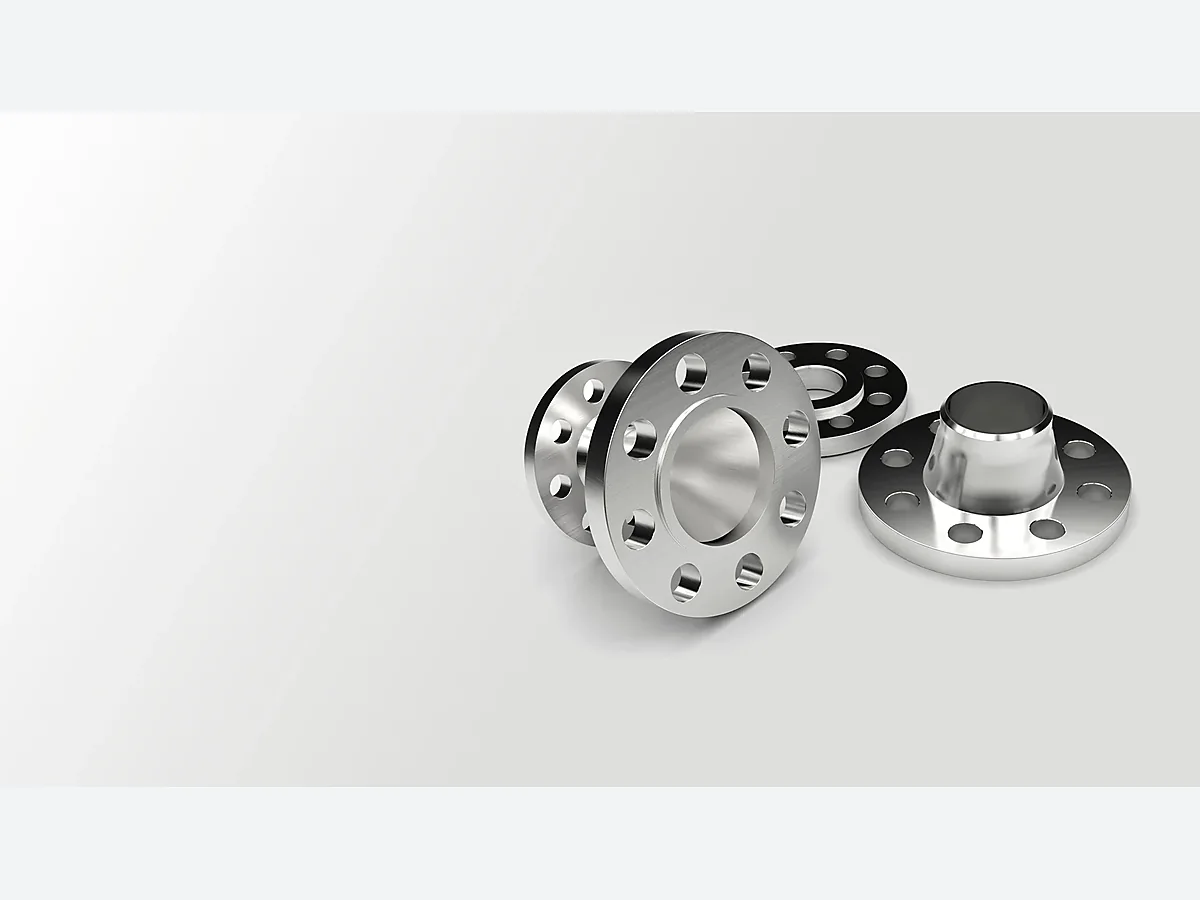
Anchor flange family reference for pipeline thrust restraint RFQ review
Why this image matches Anchor FlangesAnchor flanges are forged flange-type restraint components; the standard flange family image fits when paired with drawing-specific notes.Forged flange visual for anchor flange RFQs where OD, hub, pipe bore, weld ends and project drawing drive the scope.
Best-fit RFQ

Best for pipeline restraint points, thrust anchors and buried or above-ground pipeline support locations.

Buyer application

Pipeline systems, oil and gas transmission, compressor stations and special restraint assemblies.

Critical geometry

Pipe OD, bore, flange OD, hub, weld end, anchor plate thickness and project drawing must be reviewed.

Required RFQ data

Send drawing, pipe size, pressure, material, weld end, dimensions, NDT, coating or packing and quantity.

Quality focus

Dimensional report, weld-end geometry, UT, MTC and marking should be included with the quotation scope.

Anchor Flanges Technical Data That Changes the RFQ

These product-specific values make the page different from a generic catalogue listing and help engineering buyers send a complete first inquiry.

Pipeline restraint scopeAnchor flange RFQs are controlled by pipe OD, bore, weld end, anchor geometry and project drawing.
Size and pressure reviewPressure class, line pipe size, anchor plate thickness and thrust-restraint duty must be reviewed together.
Standard referencesPipeline project drawing, ASME or project flange reference, pipe material standard and coating/packing note.
Critical dimensionsPipe bore, weld end, flange OD, hub, anchor plate thickness, bolt pattern and transition details.
Inspection depthDimensional report, UT/MT, weld-end geometry, MTC 3.1, marking and packing.

Direct Product Datasheet

Anchor Flanges RFQ Datasheet PDF

Download the visible product-page technical data as a PDF before sending drawings or line items. This datasheet is generated from the page's published RFQ scope table and does not invent standard dimensions.

Source: the Engineering Snapshot and product technical data already visible on this page. Use: early buyer screening, internal RFQ routing and drawing-preparation notes. Control note: final manufacturing and inspection still follow the buyer's current standard, drawing revision, tolerance note and project specification.

This direct link is not gated by a form. For ASME B16.5 Class 150 selected dimensions, use the standard dimension check sheet where shown below.

Product Scope and Use Cases

Open this page when your RFQ matches one of these scope items, or send a drawing if the forged part is non-standard.

Pipeline anchor flange and custom anchor forging review

Drawing-based machining and tolerance support

Material and NDT requirements checked before quotation

Also Known As

These names may appear in drawings, purchase lists, distributor RFQs and supplier shortlists.

anchor flangepipeline anchor flangeforged anchor flange

Standards, Materials and Review Data

The strongest RFQ gives the commercial team the same technical language used by engineering, QA and the final buyer.

Standards / Drawings

  • Project drawing or purchase specification
  • ASME B16.5 where flange dimensions follow ASME classes
  • EN 1092-1 / DIN where PN and DN requirements are specified
  • GOST 33259, 12820 or 12821 where CIS project requirements apply
  • ASTM, EN or project material standards as listed in the RFQ

Material Grades

  • ASTM A105 carbon steel
  • ASTM A350 LF2 low-temperature carbon steel
  • Stainless steel grades such as 304, 316, 321 or 347
  • Duplex and super duplex grades when specified by the project
  • Alloy steel or drawing-specified grades subject to feasibility review

Review Points

  • Size, DN or NPS
  • Pressure class or PN rating
  • Drawing revision and critical dimensions
  • Facing, bore, bolt pattern and machining tolerance
  • Quantity, destination country and packing requirement

Manufacturing and Inspection Route

Use this route to understand what has to be confirmed before price, lead time, MTC 3.1 and third-party inspection commitments are made.

Material review

Material grade, heat number, certificate basis and substitution limits are checked against the Anchor Flanges drawing or standard before procurement is released.

Forging process confirmation

The forging route is selected around flange type, section thickness, bore allowance, hub or neck geometry and pressure-service requirements.

Heat treatment

Heat treatment is planned with the required record package, mechanical testing basis and impact-test condition where low-temperature or alloy service applies.

Rough machining

Rough machining opens reference faces, bore, hub, neck or sealing-face stock needed to control allowance before final flange machining.

Final machining

Final machining controls facing, bore, bolt pattern, groove, sealing surface and flange-table or drawing tolerances before dimensional inspection is issued.

Inspection and document review

Inspection covers dimensional report, MTC 3.1, PMI and required UT, MT or PT records before the release documents are matched to the purchase order.

Marking, packing and export document preparation

Marking, packing and export documents are prepared by PO line item so the Anchor Flanges shipment can clear customs and be identified at site receiving.

Inspection and Documents

Include document requirements with the first RFQ so inspection cost and timing are visible before offer comparison.

  • MTC EN 10204 3.1
  • Heat treatment record
  • Dimensional report
  • PMI when alloy verification is required
  • UT, MT or PT when specified
  • Tensile, impact or hardness test records when required
  • Third-party inspection support by project request

Required RFQ Data

Send these details in the first message to avoid repeated clarification and mismatched offers.

Standard or drawing

Size / DN / NPS

Pressure class / PN

Material grade

Facing

Bore

Quantity

Heat treatment

Inspection requirement

Destination country

Third-party inspection need

Common RFQ Mistakes

These issues make supplier offers look cheaper or faster than they really are because the technical scope is incomplete.

  • Sending a product name without standard, drawing or pressure rating
  • Leaving bore, facing or bolt pattern unclear
  • Mixing DN, NPS, PN and class references without a drawing
  • Omitting inspection documents until after price discussion
  • Forgetting destination country, packing or third-party inspection requirements

FAQ

Short answers for common RFQ questions.

Can you review Anchor Flanges by drawing?

Yes. Send the latest drawing revision with material, quantity, tolerance, inspection and destination requirements so the RFQ can be checked before quotation.

What information is needed before quotation?

A practical RFQ should include standard or drawing, size, pressure rating, material grade, quantity, inspection requirements and destination country.

Which materials are common for Anchor Flanges?

Common requests include ASTM A105, A350 LF2, stainless steel, duplex steel and project-specified alloy grades, subject to drawing and service requirements.

Can inspection documents be arranged?

MTC 3.1, dimensional reports, heat treatment records, PMI, UT, MT, PT and third-party inspection can be reviewed according to the project requirement.

Send your RFQ or drawing directly to BLD Forge Direct.

Email quote@bldforgedirect.com with standard, drawing, material, quantity and inspection requirements.